Listed and historic buildings require regular maintenance to protect their architectural character and prevent deterioration. When repairs must be completed above ground level, the access solution needs to support the work without causing avoidable damage to the property.
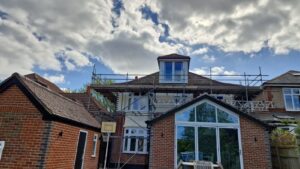
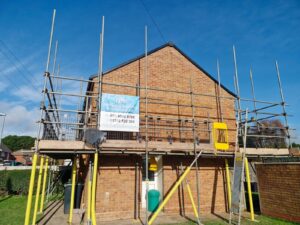
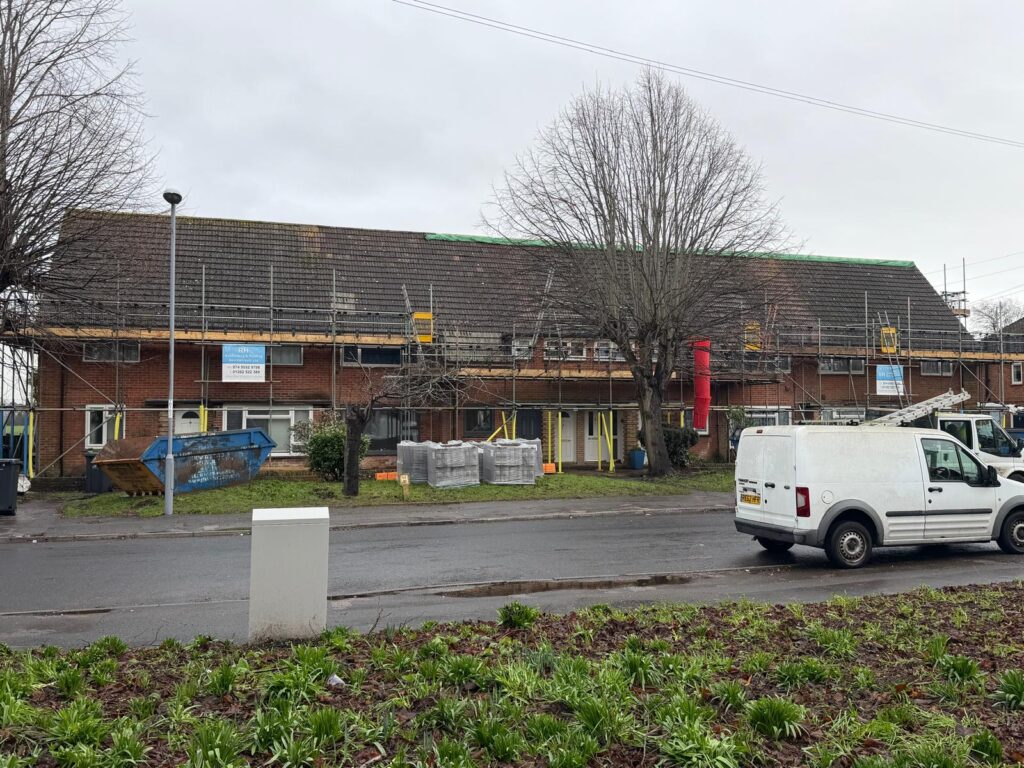
Professionally planned scaffolding for listed buildings in Bournemouth can provide conservators, roofers, stonemasons and decorators with stable access to delicate areas. The scaffold should be designed around the building’s shape, condition and significant architectural features.
RH Scaffolding provides fully insured access solutions for property maintenance, restoration and refurbishment projects across Bournemouth, Poole, Christchurch and surrounding areas.
Why Do Historic Buildings Need Specialist Planning?
Older buildings can differ considerably from modern properties. Their construction may include traditional materials, irregular elevations, ornate details and sections that have weakened over time.
Features that may affect the scaffolding arrangement include:
- Decorative stonework and carved details
- Traditional brickwork or lime render
- Historic windows and timber frames
- Ornate cornices, balconies and parapets
- Fragile roofs and chimney stacks
- Uneven or restricted ground conditions
- Extensions added during different periods
- Areas of weakened or damaged masonry
A detailed site assessment can help identify these features before the scaffold is erected.
What Work May Require Scaffolding?
Scaffolding may be required for numerous repair and conservation activities, including:
- Roof repairs and tile replacement
- Chimney restoration
- Traditional lime repointing
- Stonework repairs and cleaning
- Window restoration
- Render repairs and exterior decoration
- Gutter, fascia and roofline maintenance
- Structural inspections and surveys
- Installation or repair of leadwork
The required platform positions should be discussed with the specialist contractor before the scaffolding is installed.
Is Listed Building Consent Required?
Listed building consent may be required for work that could affect a building’s special architectural or historic character. This is separate from ordinary planning permission.
The requirement depends on the property and the proposed work. Even repairs described as like-for-like may need to follow an approved method or use specific traditional materials.
Before beginning work, the owner should consult the local planning authority’s conservation team or an appropriately qualified heritage professional. More information is available through the official Planning Portal guidance on listed building consent.
The scaffolding company does not determine whether listed building consent is required. The property owner and project team should confirm that the necessary permissions are in place.
Protecting Historic Surfaces
Some older walls may not be suitable for standard scaffold ties without further assessment. Decorative stone, soft brickwork, timber details and fragile render should not be drilled or loaded without appropriate approval.
The scaffold design may need to use alternative tie positions or another suitable arrangement. The responsible project professional should identify any surfaces that must not be disturbed.
Protection may also be required around:
- Stone steps and entrance features
- Historic paving
- Decorative railings
- Stained glass or specialist windows
- Historic signs and plaques
- Delicate garden structures
These requirements should be discussed before erection begins rather than after the scaffold has arrived on site.
Access for Traditional Building Specialists
Historic building projects often involve specialist trades who use traditional techniques and materials. Stonemasons, lime plasterers, conservation roofers and window specialists may each require different platform heights.
Early coordination allows the scaffold to be arranged around the work rather than forcing contractors to adapt to unsuitable access.
The project team should confirm:
- Which elevations require access
- The areas being repaired or inspected
- The preferred distance between the platform and wall
- The materials and tools being used
- Whether multiple trades will share the scaffold
- The expected order of work
Scaffolding for Chimneys and Historic Roofs
Chimneys and traditional roofs are among the most exposed parts of an older property. They may require repairs to brickwork, mortar, lead flashing, pots, tiles or slates.
Scaffolding can provide access around the working area while reducing the need to place ladders directly against historic surfaces. The arrangement should account for the roof’s pitch, condition and potential fragile areas.
If the roof is opened for an extended period, temporary weather protection may also need to be considered.
Weather Protection During Restoration
Traditional materials can be sensitive to rain, frost and excessive heat while they are being applied or cured. A restoration project may therefore require temporary protection from the weather.
Depending on the work, this could include:
- Temporary roof coverage
- Debris netting
- Scaffold sheeting
- Localised coverings around working areas
Sheeting and temporary roofs can increase the forces placed on a scaffold, especially in windy conditions. They should only be installed when they have been included in or approved as part of the scaffold design.
Public Access Around Historic Buildings
Some historic buildings remain occupied or open to visitors during restoration. Others are located close to public footpaths, shops or neighbouring properties.
The access plan may need to include entrance protection, clearly marked pedestrian routes, controlled scaffold access and barriers around working areas.
The structure should also be secured to discourage unauthorised climbing when the site is unattended.
Scaffold Inspections During Conservation Work
Scaffolding should be inspected by a competent person before first use and at the legally required intervals. Additional inspections may be required after substantial alteration, severe weather or an event that could affect its stability.
Contractors must not remove ties, guardrails, boards or other scaffold components. If access needs change during the restoration, alterations should only be completed by the responsible scaffolding contractor.
The Health and Safety Executive provides further information in its official scaffolding safety guidance.
Information to Provide When Requesting a Quote
When requesting scaffolding for a historic property, provide:
- The property address and listing status
- Photographs of every affected elevation
- Details of the planned restoration work
- Information about fragile or protected features
- The required working platform levels
- Access and ground restrictions
- The anticipated project duration
- Any requirements set by the conservation professional
- Whether temporary weather protection is required
Early planning can help the scaffold support the restoration while respecting the building’s important features.
Arrange Heritage Scaffolding in Bournemouth
RH Scaffolding provides professional access solutions for property restoration, repairs and specialist construction projects throughout Bournemouth and the surrounding region.
Our team can assess the site and coordinate with your builder, architect or conservation contractor to plan a suitable arrangement. Learn more about our scaffolding services in Bournemouth.
Planning work on a listed or historic property? Contact RH Scaffolding or call 01202 522 389 to discuss your access requirements and request a quotation.